Cardboard, Duct Tape, and Dreams: Meet the Shooters Building Their Own Bokeh From Scratch
Photo: Giuseppe Donatiello, CC0, via Wikimedia Commons
Somewhere in a garage in Portland, a wedding photographer is gluing a heart-shaped hole into a lens cap. In a spare bedroom in Atlanta, a hobbyist is jury-rigging a tilt-shift adapter out of an old bellows and a 3D-printed flange. And none of them are waiting for the next big lens release to make interesting pictures.
Welcome to the DIY optics scene — a corner of the photo world where the gear arms race gets flipped on its head and constraint becomes the whole point.
The Cutout Filter Trick: Your Gateway Drug
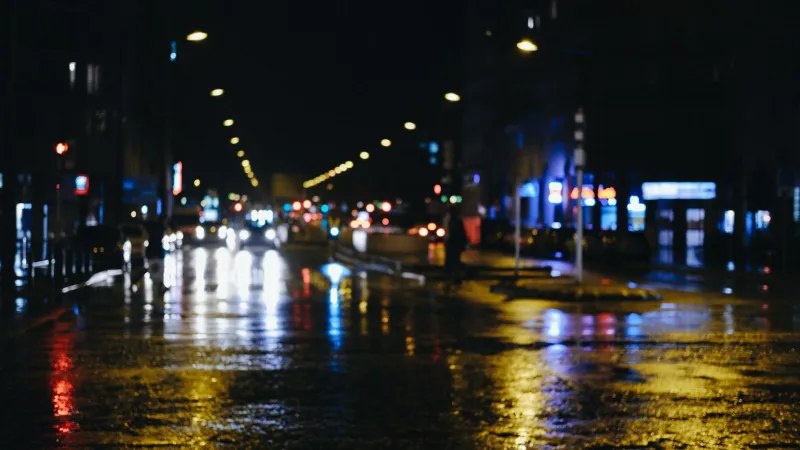
If you've never made a bokeh shape before, here's the classic entry point. Take a piece of black cardstock or craft foam, cut it slightly bigger than your lens front, then punch a small shape in the center — a heart, a star, a lightning bolt. Keep the shape under about 15mm across if you're shooting a typical 50mm at f/1.8. Tape it over the front of your lens, point it at a string of fairy lights, and watch every out-of-focus highlight morph into your shape.
It sounds like a party trick, and honestly, it kind of is. But it teaches you something profound about how bokeh actually works: the blur in your background is a projection of your lens's opening. Change the opening, change the language of the blur. That's a lesson most photographers never get from a spec sheet.
Free Lensing: The Riskiest Hack Going
Then there's the technique that makes camera repair techs wince. Free lensing means detaching your lens from the body, holding it a few inches out, and tilting it while shooting. The tilt plane goes wild — your focus band can slice diagonally through a scene, and the bokeh smears and swirls in ways no modern lens would allow.
Yes, you're exposing your sensor to dust. Yes, it's finicky and your hit rate will be brutal. But shooters who get hooked on free lensing describe it as the closest thing to drawing with a camera. The blur stops being a background and becomes a brushstroke.
A word of caution from the community: skip this one on mirrorless bodies with exposed sensors if you're shooting anywhere dusty. Beach trips and free lensing do not mix.
The Vintage Glass Underground
Walk any US camera swap meet — from the massive PhotoPlus-adjacent meetups in New York to weekend flea market tables in Chicago — and you'll find the other half of this movement: cheap, weird, decades-old glass.
An old Helios 44-2 from a Soviet-era film camera can be adapted to most modern bodies for under a hundred bucks, and its famous "swirly" bokeh has launched a thousand Instagram accounts. Uncoated or single-coated vintage lenses flare and bloom in ways that feel painterly rather than clinical. Some tinkerers go further, unscrewing elements, reversing lenses, or stacking a vintage optic backwards in front of a modern one to create macro-monster hybrids.
There's no manual, no warranty, and no consistency — and that's precisely the appeal. When your lens has a personality, your photos do too.
The Tilt-Shift Tinkerers
The most ambitious DIY crowd builds tilt-shift rigs from scratch. A tilt-shift lens lets you swing the plane of focus off-axis — the reason architectural shooters love them and the reason creative shooters love the miniature-world effect and the slice-of-focus look.
Commercial tilt-shift glass runs deep into four figures. But the maker community has responded: 3D-printed tilt adapters, hacked M42 screw-mount bellows, and lensbabies-adjacent builds circulate through forums and YouTube tutorials. One recurring theme among the builders: the process of building the rig taught them more about optics than years of shooting ever did. When you've physically held the focusing elements in your hands, depth of field stops being abstract.
Why Constraint Is Cool Again
There's a bigger cultural current here. After a decade of ever-sharper sensors and computational perfection, a growing slice of the photo community is pushing back — not against quality, but against sameness. When every phone produces the same clean, simulated blur, a swirly, flawed, hand-built look becomes a signature.
The DIY optics scene embodies that ethos. You can't buy your way into it. You have to cut the cardboard, take the risk, miss a hundred frames, and land the one that nobody else could have made.
Your Weekend Assignment
Here's your starter kit: black craft foam, scissors, tape, and one hour. Cut a shape, tape it on, and shoot a string of lights after dark. Then try free lensing — carefully — in your living room. Finally, browse the vintage lens bins at your nearest camera shop or estate sale and pick up something old and strange.
You won't get portfolio keepers right away. That's not the point. The point is that somewhere between the duct tape and the missed focus, you stop being someone who owns a camera and start being someone who invents with one.
And honestly? That's the kind of blur worth chasing.