Three Bags, Three Budgets: Building a Bokeh Kit That Won't Wreck Your Wallet
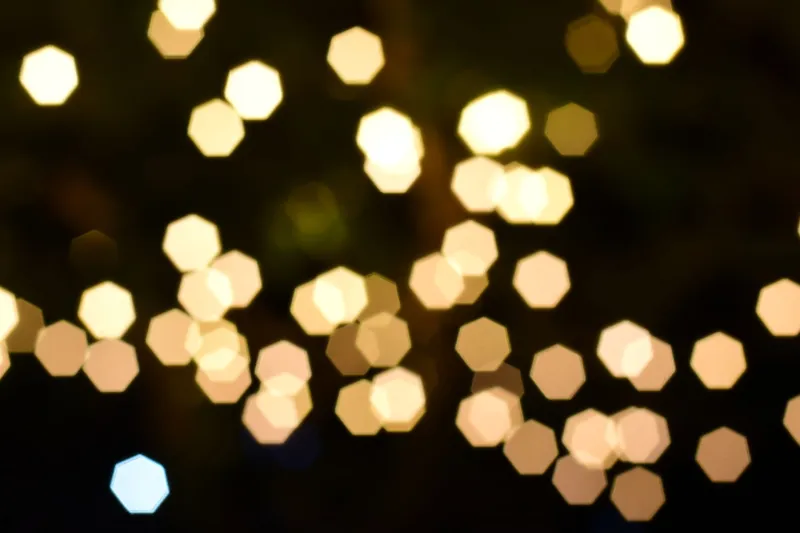
Every bokeh lover remembers their first truly blurred-out background. Mine was shot on a battered 50mm f/1.8 outside a taqueria in Austin, string lights melting into golden soup behind my subject. The photo wasn't technically great. But that glow hooked me — and I immediately assumed I needed to spend $2,000 on a single lens to chase it.
You don't. Here's the thing about bokeh: it's less about money and more about intention. A $125 vintage lens can render circles that make people ask questions. A $400 modern prime can handle everything from street work to headshots. Below, we've built three kits at three budgets, using real US retail prices, so you can pick the one that matches your wallet and your shooting style.
The $500 Kit: Vintage Charm, Modern Hustle
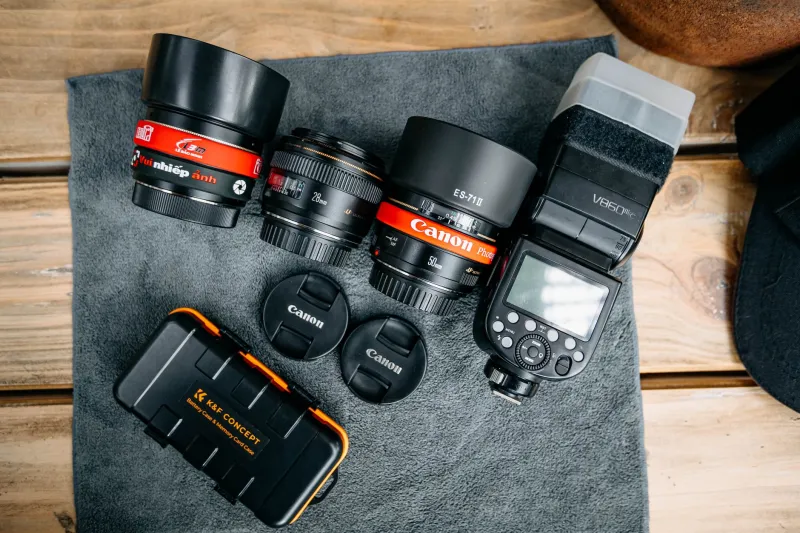
The core: a 50mm f/1.8, any brand ($125–$250 new, less used).
Every manufacturer makes one of these — Canon, Nikon, Sony, Fujifilm — and they're the single best dollar-for-dollar bokeh machines ever made. Wide open, the background doesn't just blur, it softens, with a gentle swirl toward the frame edges on older copies. It's not clinical. It's cozy.
The wildcard: a vintage manual focus lens ($50–$150 on eBay or at your local camera shop).
Hunt down a Canon FD 50mm f/1.4, a Minolta Rokkor, or a Pentax SMC and grab a cheap adapter for your mount. These old coatings produce their own flavor — slightly lower contrast, warm edges, and bokeh balls with character instead of perfection. Shooting manual focus will also slow you down in the best way.
The accessory: a basic 5-in-1 reflector ($30) and a cheap tripod ($50).
That's your whole kit, and you'll still have change. This setup is ideal for casual portraits, coffee-shop candids, and weekend wandering. What it won't do well: fast action or events in dim banquet halls.
The $1,000 Kit: The Serious Step Up
If you're shooting paid portrait sessions or building a portfolio, this is the sweet spot.
The workhorse: a 35mm f/1.8 or f/2 prime (~$200–$500).
The 35 gives you environment and blur — subject sharp, background dissolving, but with enough context to tell a story. Think neighborhood portraits, city walks, documentary-style work. On a full-frame body, this is the lens that stays mounted.
The portrait piece: an 85mm-equivalent f/1.8 (~$200–$500 depending on system).
This is where bokeh gets romantic. At 85mm, backgrounds compress into painterly washes of color, and wide open, you get that subject-floating-in-cream look that clients screenshot from Pinterest. Sony, Canon, Nikon, and Fuji all make affordable versions.
The smart add-on: a variable ND filter (~$80–$130).
Here's the tip nobody tells beginners: wide apertures mean tons of light, which kills your shutter speed options outdoors. An ND filter lets you shoot f/1.8 in full afternoon sun without blowing everything out. It's the difference between having a fast lens and actually using it.
Budget for a used body and you're right around a grand total. This kit covers street, environmental portraits, and even second-shooter event work.
The $2,000 Kit: Ready for Anything
Now we're talking about a bag that can handle a wedding, a concert, and a golden-hour session in the same week.
The event anchor: a 24–70mm f/2.8 (used or third-party, ~$900–$1,300).
Yes, f/2.8 isn't f/1.4 — but a good 2.8 zoom renders smooth, round bokeh with zero distortion drama, and the flexibility is unmatched when the action moves fast. Sigma and Tamron versions have quietly become the value kings here.
The light-gatherer: a fast 50mm f/1.4 or 85mm f/1.8 (~$300–$500).
When the reception lights drop and the DJ kicks in, this is the lens you reach for. Wide open, a quality 1.4 turns candlelight and string lights into layered orbs of glow — the kind of frames that make event galleries sing.
The finishing touches: ND filters ($100), a fast SD card and spare batteries ($100), and a comfortable sling bag (~$80).
So Which Kit Is Yours?
- Street shooter? The $500 kit. Small, light, discreet, and vintage glass starts conversations.
- Portrait and session work? The $1,000 kit. The 35/85 combo is the professional standard for a reason.
- Events and everything else? The $2,000 kit. Boring? Maybe. Reliable when it counts? Absolutely.
One last thought: bokeh isn't bought, it's practiced. Take whatever kit you choose to a county fair, a night market, a string-lit patio — anywhere with points of light behind your subject. Shoot wide. Miss focus a few times. Learn how your lenses draw. That's when the blur stops being a setting and starts being a signature.