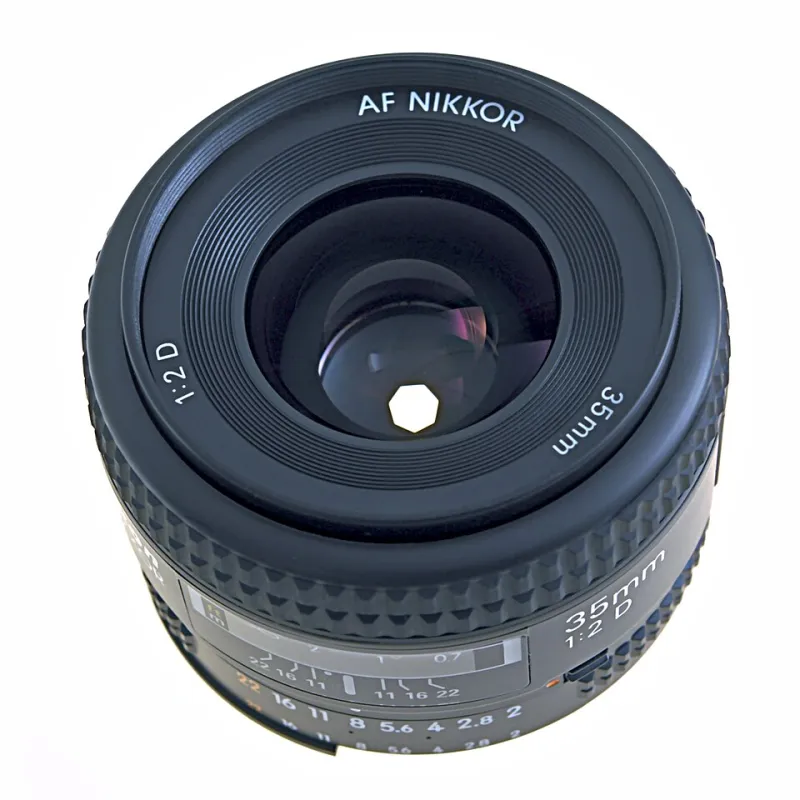
Soft Focus, Everywhere: How the Bokeh Aesthetic Took Over Film, Design, and AI-Generated Art
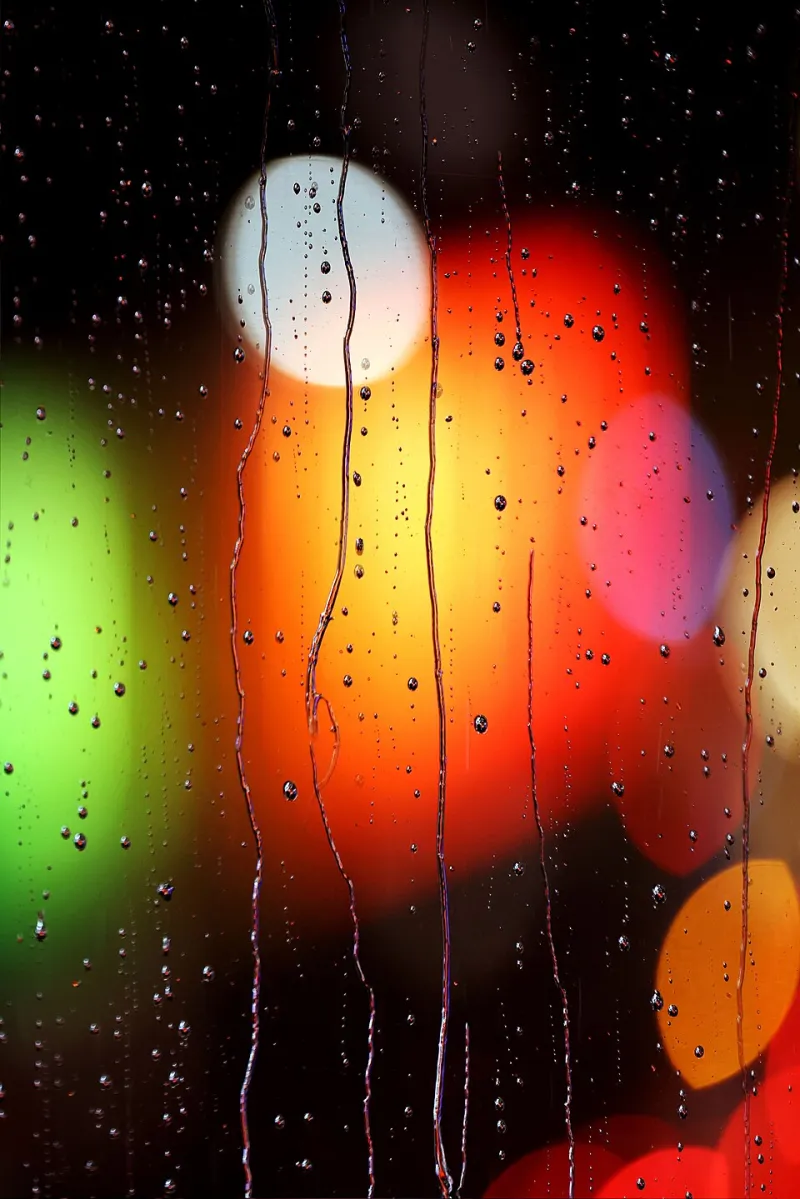
Photo: DP Singh Bhullar, CC BY-SA 4.0, via Wikimedia Commons
When a Camera Technique Becomes a Cultural Mood
There's a moment in almost every prestige drama these days — you know the one. The camera lingers on a face while the world behind it dissolves into warm, glowing orbs of light. It feels intimate. A little melancholy. Like memory, almost. That's bokeh, and it's no longer just a photography term. It's become a full-blown aesthetic language, and it's showing up everywhere from Emmy-winning cinematography to Spotify playlist cover art to the output of AI image generators trained on millions of human-made photographs.
Something interesting happened over the past decade or so: the visual vocabulary of photography leaked into every other creative discipline. And bokeh — that soft, luminous blur where light loses its edges — turned out to be one of the most emotionally potent elements in that vocabulary. Here's how it traveled.
Hollywood Fell in Love with the Blur
Cinematographers have always played with depth of field, but the current obsession with shallow-focus aesthetics in prestige television is something different. Shows like The Bear, Succession, and Euphoria have made extreme bokeh a signature visual element — not just a technical choice but an emotional one.
"When you isolate a character that tightly, you're essentially putting the audience inside their head," says Jordan Taft, a Los Angeles-based cinematographer who has worked on several streaming productions. "The blurred world behind them isn't just background. It's their psychological state made visible. Bokeh communicates interiority in a way that a sharp, wide shot simply can't."
This is a significant shift from the crisp, deep-focus aesthetic that dominated network television for decades. The move toward softer, more bokeh-heavy cinematography tracks with a broader cultural appetite for intimacy and emotional authenticity in storytelling. Audiences, it turns out, respond viscerally to blur. It signals: this moment matters.
The technical side of this shift is worth noting too. The widespread adoption of large-sensor digital cinema cameras — the Sony VENICE, the ARRI ALEXA, the RED Monstro — has made it easier and more affordable for TV productions to achieve the kind of shallow depth of field that once required either very expensive glass or very careful lighting setups. Bokeh democratized, then proliferated.
Graphic Designers Discovered the Soft Edge
Meanwhile, over in the world of visual communication, designers were doing something sneaky. They started pulling bokeh-style blurred backgrounds out of photography and into their layouts — not as photographic elements, but as designed ones.
Scroll through Dribbble or Behance for about five minutes and you'll see it everywhere: UI designs with soft, glowing light blobs in the background, brand identity systems built around diffused color gradients that mimic out-of-focus light sources, album artwork where the subject floats in a haze of luminous blur. The aesthetic has become so pervasive that Adobe added bokeh-style blur tools directly into Illustrator and Photoshop workflows, acknowledging what designers were already doing manually.
Natalie Chen, a Brooklyn-based brand designer, has been deliberately building bokeh-inspired elements into her visual systems for the past few years. "There's a warmth to it that flat design just doesn't have," she explains. "When I'm working with a wellness brand or a lifestyle client, that soft-focus quality communicates something about ease, about not being harsh. It's become a shorthand for a certain kind of emotional tone."
She's not wrong. Color psychology and visual perception research both suggest that blurred, soft-edged visual environments reduce cognitive load and evoke feelings of calm and safety. Bokeh, it turns out, isn't just pretty — it's neurologically soothing.
AI Art and the Bokeh Prompt
Nowhere has the bokeh aesthetic exploded more dramatically than in the world of AI-generated imagery. If you've spent any time on Midjourney, DALL-E, or Stable Diffusion, you've probably noticed that "bokeh" and "shallow depth of field" are among the most commonly used stylistic prompts in the entire ecosystem.
AI image generators are, at their core, trained on patterns in human-made images. And because bokeh has been so prevalent in the photography that fills the internet — from professional portraiture to smartphone portrait mode shots — the models have developed a strong internal representation of what bokeh looks and feels like. When you prompt for it, you get it reliably and beautifully.
But something more interesting is happening too. Digital artists are going beyond simple prompts and actually coding bokeh effects into their generative workflows. Artists working in Processing, TouchDesigner, and custom shader environments are writing algorithms that simulate the physics of lens blur — modeling circles of confusion, aperture shapes, and light diffusion — to create generative artwork that has never passed through a camera at all.
"I got obsessed with the math of it," says Dario Espinoza, a generative artist based in Austin, Texas, whose work has been shown at several digital art festivals. "Bokeh is essentially a physical phenomenon — light behaving according to optical laws. When you translate those laws into code, you get something that feels organic and photographic even though it's entirely synthetic. There's something almost philosophical about that."
His generative pieces use algorithmically simulated aperture shapes and depth-falloff curves to create images that feel unmistakably photographic without being photographs. The blur, paradoxically, makes them feel more real.
Why We're Drawn to the Soft Parts
So what is it about bokeh that makes it so universally appealing across such different creative contexts? Part of it is surely familiarity — we've been conditioned by decades of professional photography to associate shallow depth of field with quality and intention. But there's something deeper going on.
Bokeh is, at its core, a representation of how human vision actually works. Our eyes don't take in the world with uniform sharpness. We focus on what matters and let the rest fall away. When an image mimics that selective attention, it feels true to lived experience in a way that technically perfect, everything-in-focus images often don't.
"We're drawn to softness because softness is honest," Taft suggests. "The world isn't sharp everywhere. Bokeh is photography admitting that."
In an era of information overload, hyper-documentation, and relentless visual noise, there's something genuinely radical about an aesthetic built on what you choose not to show clearly. Bokeh is editing. It's emphasis. It's the visual equivalent of lowering your voice to make someone lean in closer.
The Blur is the Message
From cinematography to brand design to AI art studios, bokeh has become one of the most versatile and emotionally resonant tools in the contemporary visual artist's kit. It transcended its photographic origins not because of a trend cycle, but because it taps into something fundamental about how humans perceive, feel, and focus.
The light blurs. The world softens. And somehow, in that softness, everything that matters becomes clearer.